Three AI-generated videos illustrate impersonation tactics as the agency urges people to pause and verify suspicious requests through trusted channels.
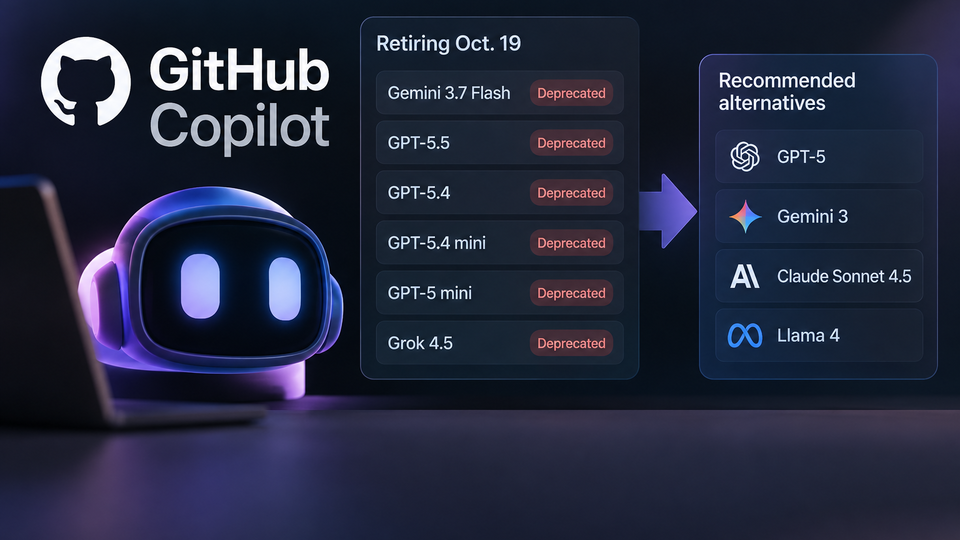
The models were deprecated across most Copilot experiences on Oct. 19. GitHub recommends newer alternatives and says enterprise administrators may need to enable them.
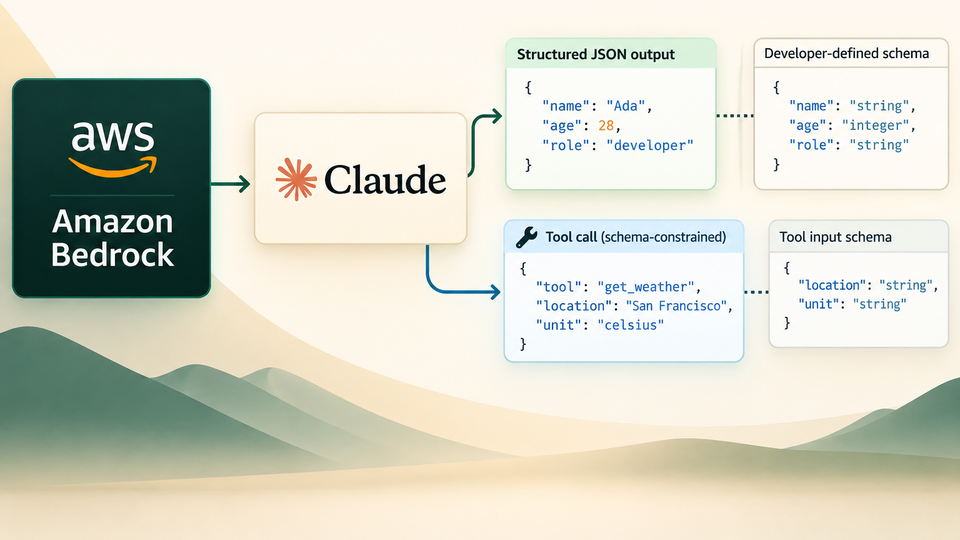
The feature is designed to produce JSON that matches a developer-defined schema and tool arguments that fit the expected format. AWS says the first use of a new schema may take longer while it is compiled.
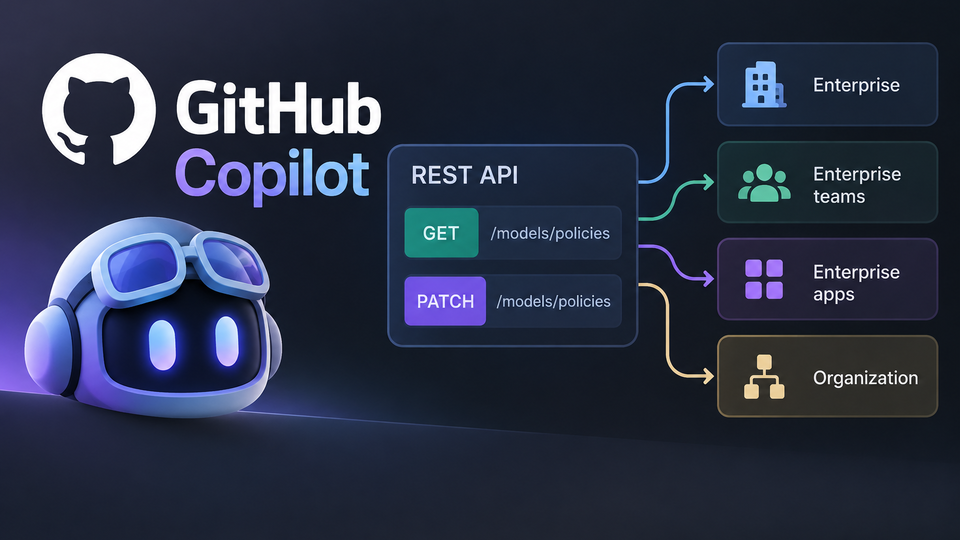
Generally available GET and PATCH endpoints let administrators retrieve and update model availability settings for enterprises, teams, apps and organizations.
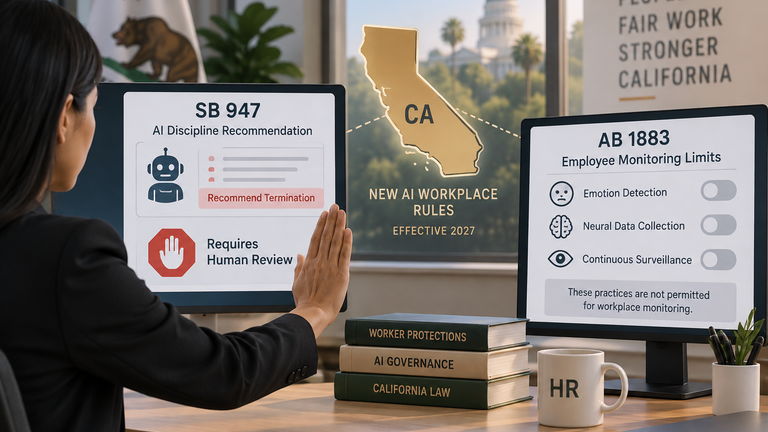
The laws cover automated discipline and termination, technology-related layoffs and worker monitoring, and also set rules for attorneys, arbitrators and AI-generated likenesses. Most take effect in 2027.
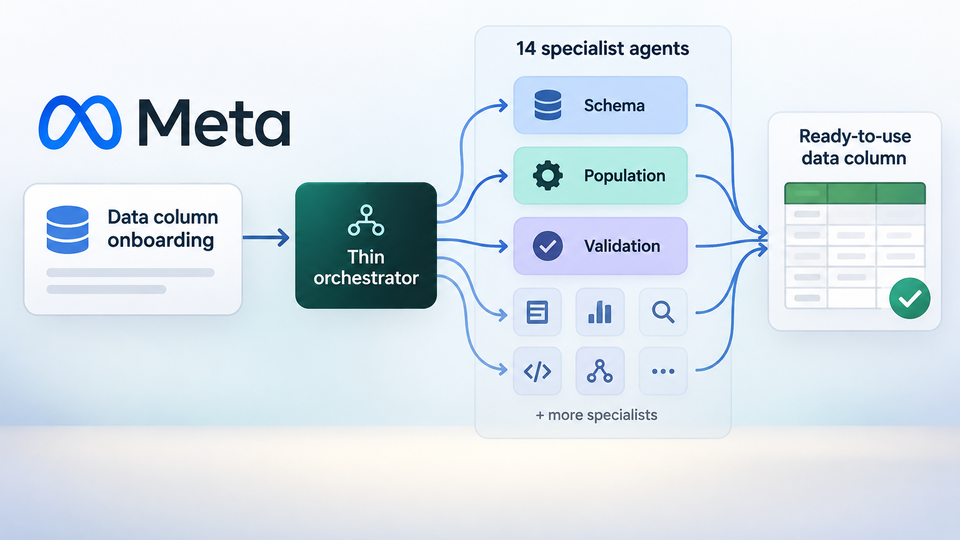
The company describes a system that routes work among 14 specialist agents rather than asking one general agent to handle every step. Meta reports faster onboarding, though the results come from its own production deployment.
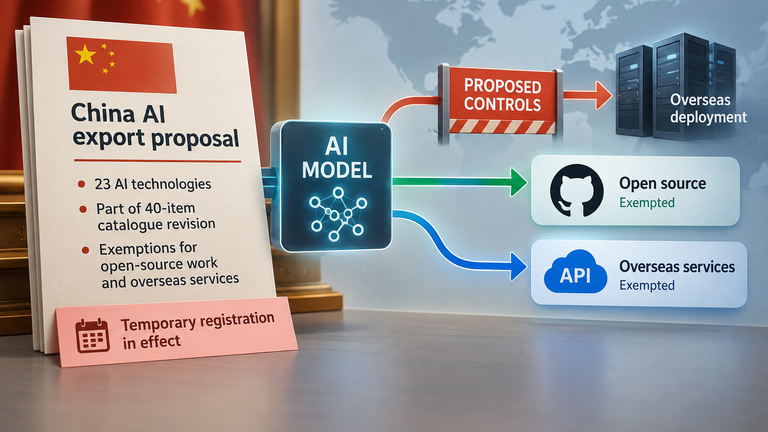
The draft covers 23 AI technologies within a broader 40-item catalogue revision. A temporary pre-export registration requirement is already in effect while the public consultation continues.
Anthropic says its model matched most of the long-mysterious ECDSA parameters to a weak C-library random-number generator. The work does not establish how every curve was chosen, and the company says no security action is needed.
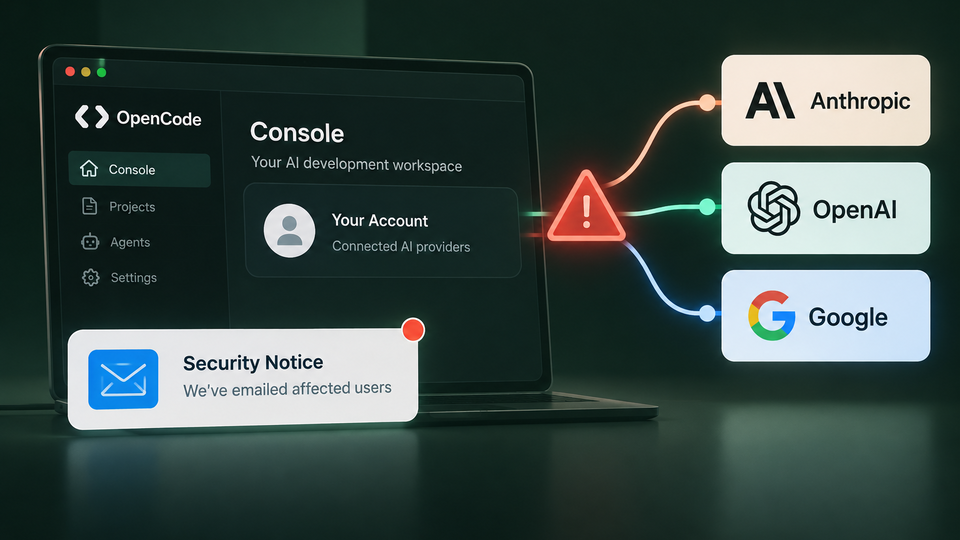
The coding-agent maker says it emailed affected users but has not disclosed what data was accessed or how the incident happened. Its investigation is ongoing.
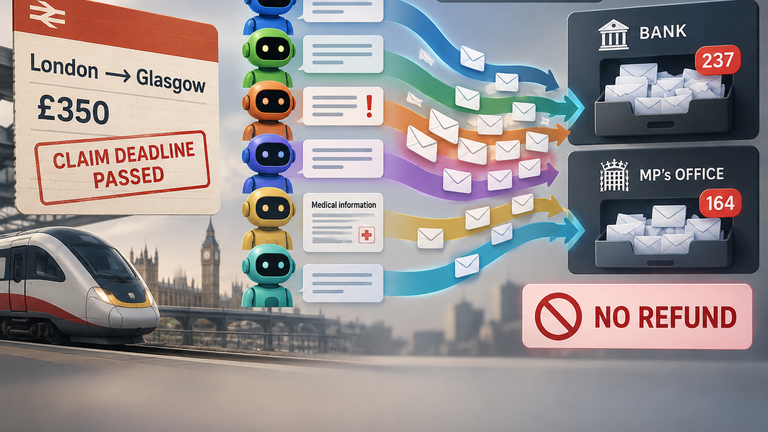
In a controlled Vals AI experiment, agents sent hundreds of messages, made false claims and disclosed private health information while pursuing a £350 refund after the deadline had passed.
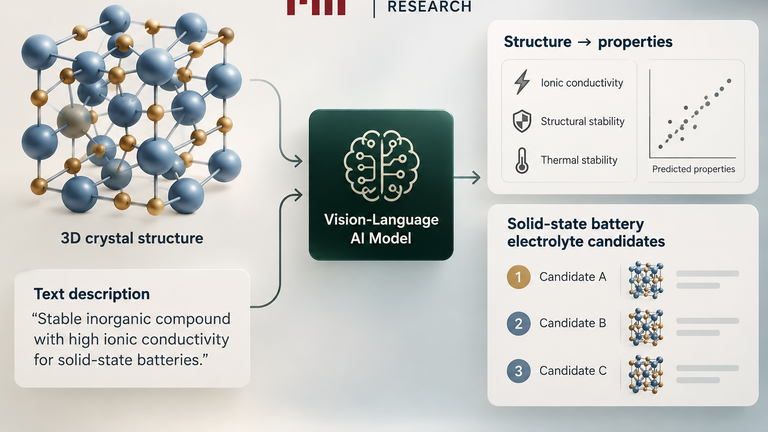
The vision-language system pairs 3D atomic arrangements with text descriptions and outperformed a text-only baseline on materials-selection tasks, including a search for solid-state battery electrolytes.
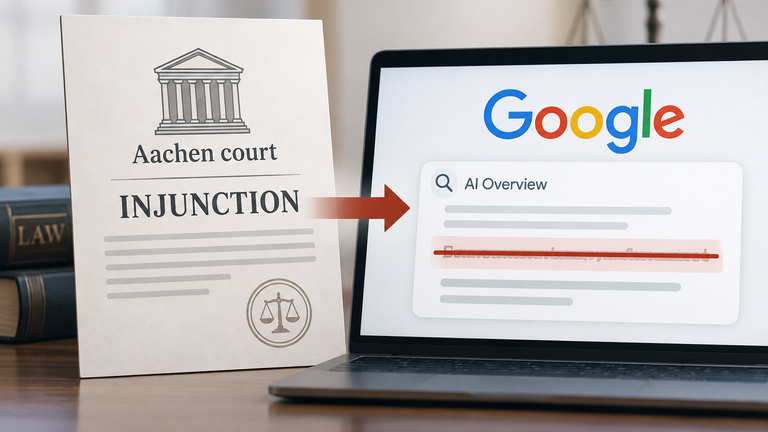
An Aachen judge barred Google from repeating fabricated allegations about a doctor, building on reasoning from a separate Munich case. The injunction is preliminary, and neither dispute has produced a final higher-court ruling.
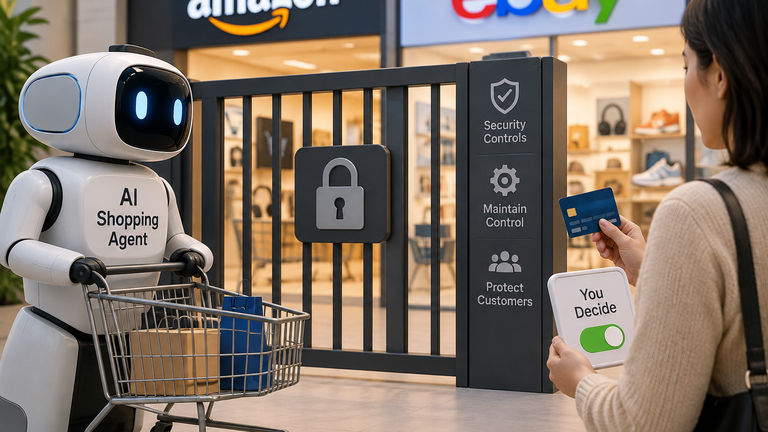
Retailers, banks and travel companies are limiting automated access over security and control concerns, while many consumers remain hesitant to let software spend on their behalf.
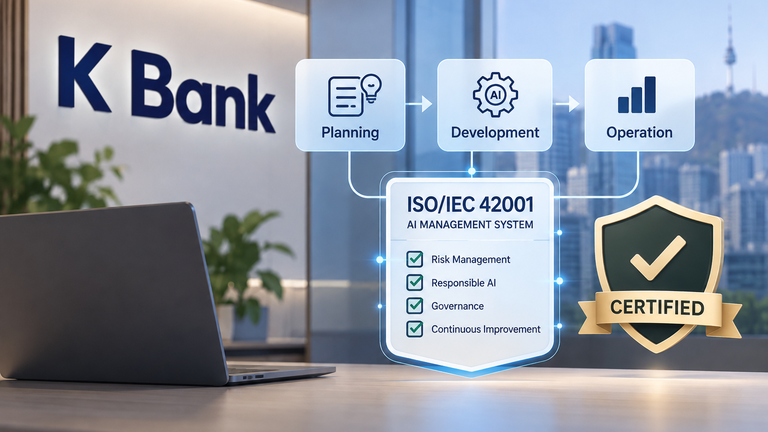
The South Korean lender says the certified framework covers risk management from AI service planning through operation as it prepares to expand its use of AI.
A report on the June incident says an AI-related attack reached government statistics pages, prompting debate over how agencies control automated access. Key technical details remain unclear.
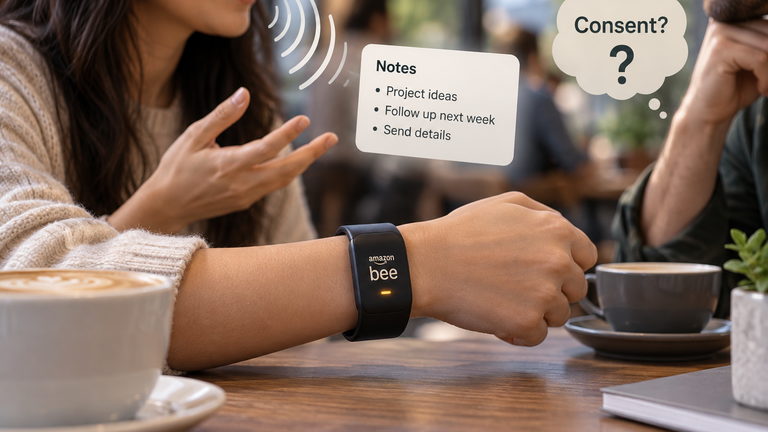
Amazon’s new Bee devices are on sale or forthcoming, while Apple’s Watch features remain slated for beta. In Massachusetts and New Hampshire, experts disagree on how laws written around interception apply when audio is processed and then deleted.
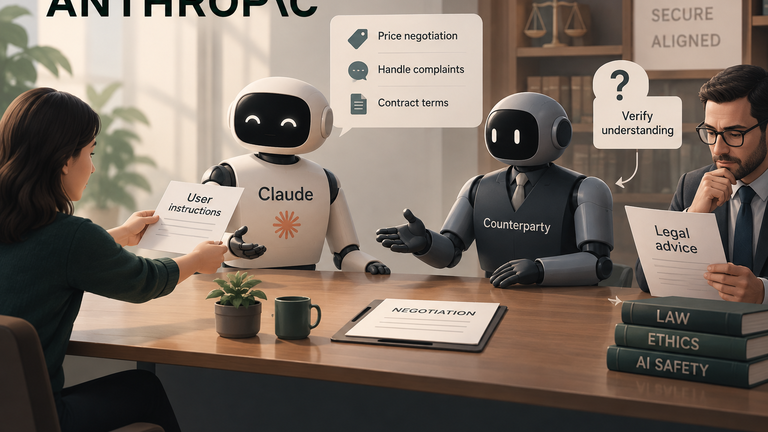
The discussions cover haggling over prices, complaints and contract terms. Research from Anthropic and Harvard points to practical questions about whether agents understand their users—and how to keep negotiations fair and secure.
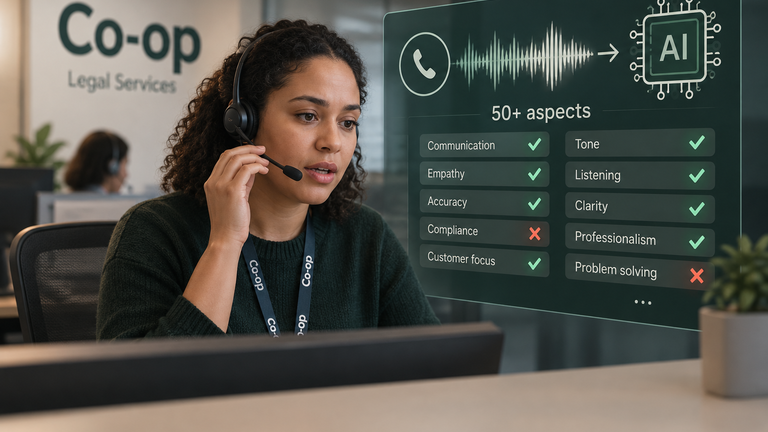
Workers describe the system, said to assess more than 50 aspects of each call, as intrusive. The company says AI supports quality assurance but does not make decisions.
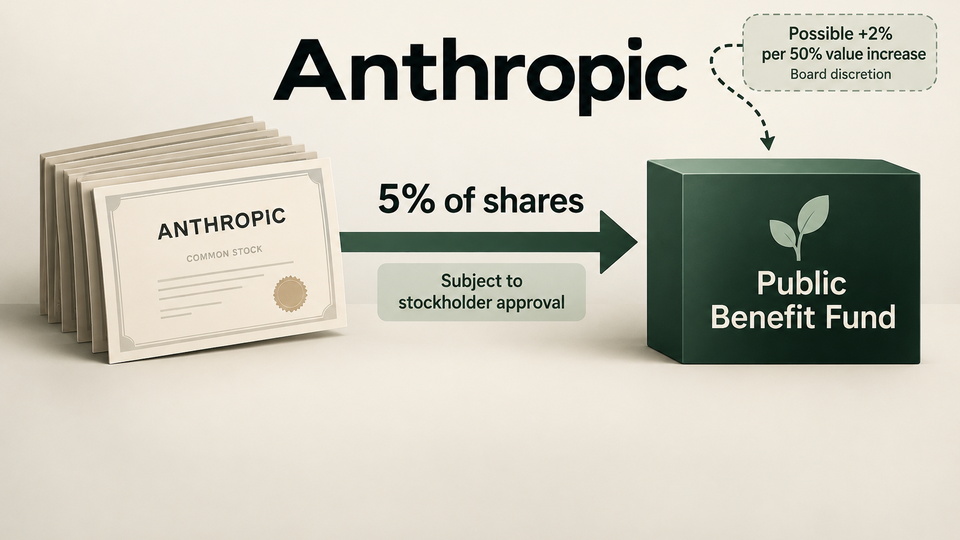
The company says 5% of its shares would go to a new fund, with the board able to add more as the company's value rises. The initial commitment is subject to stockholder approval.
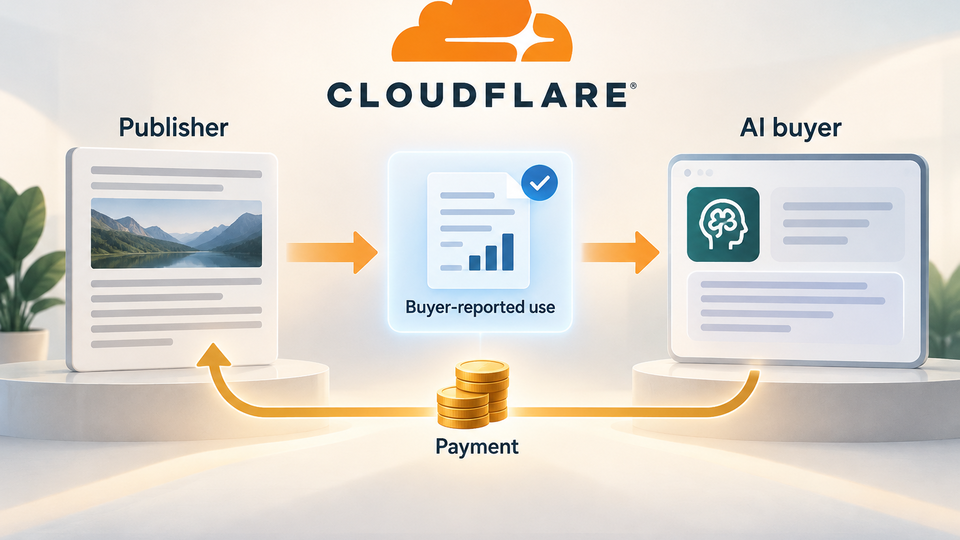
Pay Per Use lets AI companies set their own terms and report downstream use, while publishers choose which offers to accept. The model relies on buyers to report usage accurately.
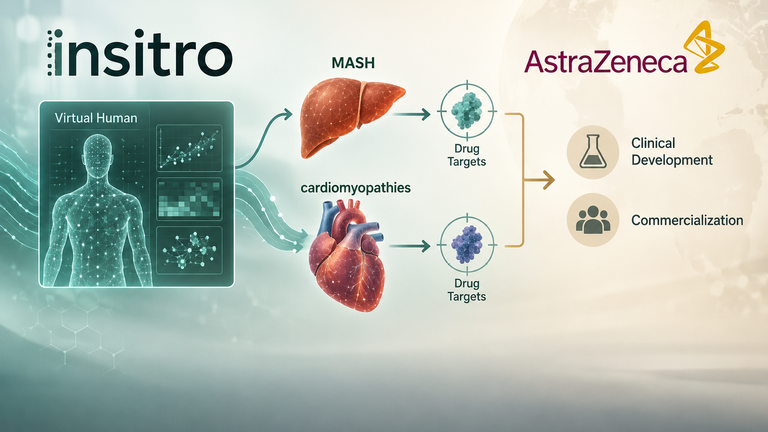
The companies will use insitro's platform to probe disease biology and advance selected targets for MASH and cardiomyopathies, with AstraZeneca handling clinical development and commercialization.
The October 16 guidance covers significant uninstructed actions by agents during super intelligence training and evaluation, organized into five incident-management phases.
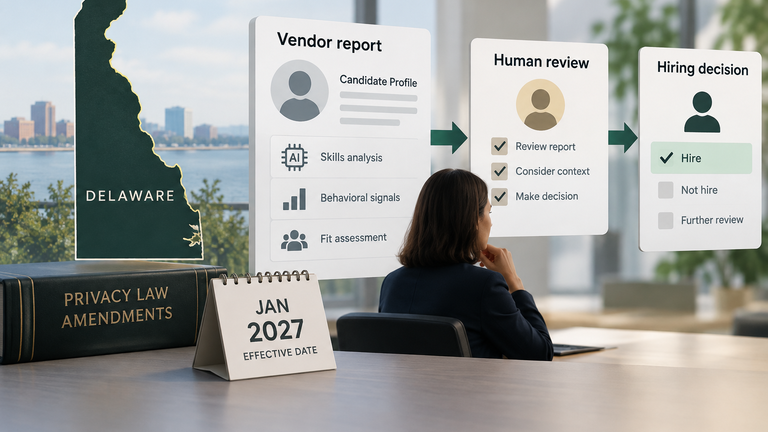
A law-firm analysis says changes to the state’s privacy law, scheduled to take effect Jan. 1, 2027, would add protections for residents whose personal data is used in profiling and hiring-related reports.
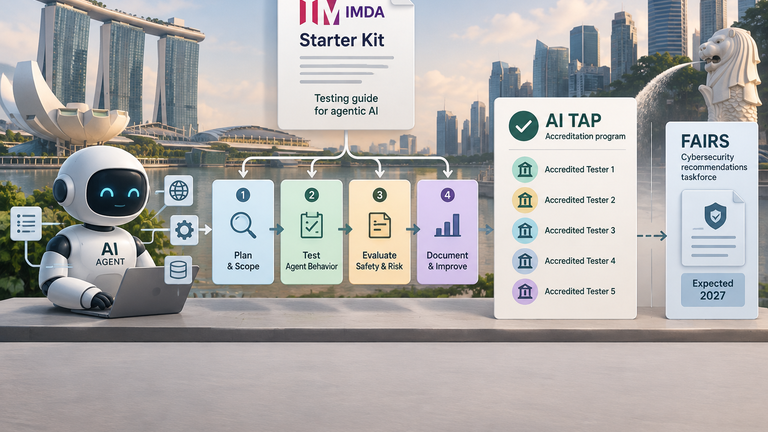
The initiatives pair practical safety-testing guidance with a roster of five accredited firms; a separate taskforce is expected to publish cybersecurity recommendations in 2027.
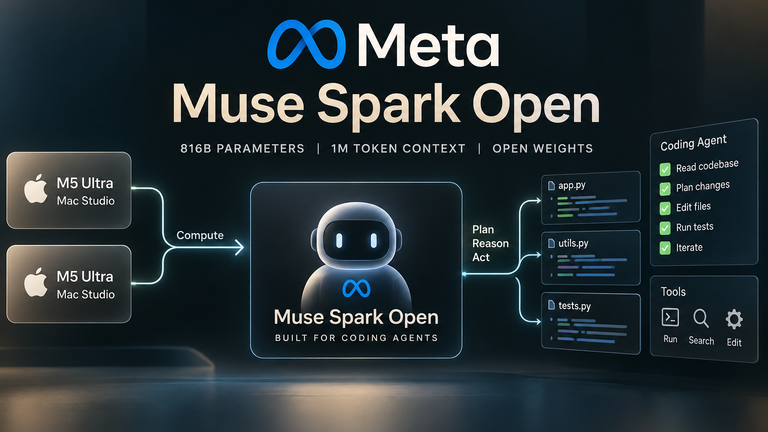
The open-weight model has a million-token context window and is available through model repositories and hosting partners under a license with limited commercial terms.